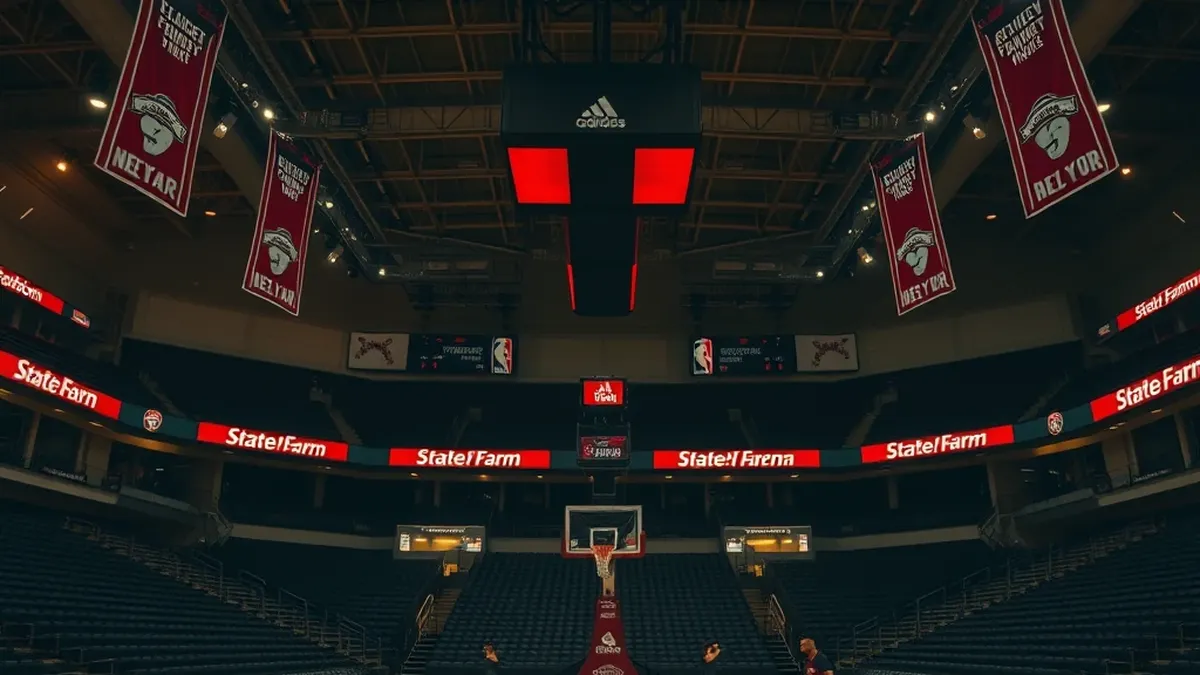
The Atlanta Hawks find themselves at a crossroads entering the offseason. With $116,704,230 in guaranteed contracts for the upcoming season and a salary cap projected at $165 million, the front office faces a pressing need to create financial flexibility. This situation presents both challenges and opportunities. If done right, the Hawks can leverage their cap space to make strategic moves that could elevate the franchise in the competitive landscape of the NBA.
A Quick Overview of the Hawks' Current Salary Situation
Before diving into potential strategies, it’s crucial to understand the context of the Hawks' salary situation. The current roster, led by stars like Trae Young and De'Andre Hunter, is a blend of established talent and promising young players. However, the hefty contracts, particularly those of role players, pose constraints on roster adjustments and free agency pursuits.
- Guaranteed Contracts: $116,704,230 - Projected Salary Cap: $165 million - Top Contracts: Trae Young, John Collins, De'Andre Hunter
The Hawks need to be astute in their approach to navigate this financial landscape. Here are three potential strategies they can deploy to create salary cap space and flexibility this offseason.
Strategy 1: Trading High-Value Contracts
One of the most effective ways to clear cap space is by trading players with significant contracts. While John Collins has been a reliable contributor, his contract could be leveraged to bring in assets that better fit the Hawks' long-term vision.
Trading Collins could facilitate a couple of outcomes: - Acquiring Future Assets: The Hawks could target draft picks or younger players who have upside potential. - Creating Cap Space: By moving a high-value contract, the Hawks can gain immediate financial relief, allowing them to pursue free agents.
Sceptics point out that trading a fan-favorite like Collins might not sit well with the fanbase. However, the potential to revamp the roster could outweigh the short-term backlash.
Strategy 2: Restructuring Contracts
Another method to create cap space involves restructuring existing contracts. The Hawks could approach key players with the intent of renegotiating terms for lower annual salaries while extending the length of their deals. This could provide immediate cap relief without sacrificing talent.
Consider the following points regarding contract restructuring: - Long-Term Stability: Players like Bogdan Bogdanović could benefit from longer deals, allowing them to remain with the team while providing financial flexibility. - Market Value Adjustments: If players are willing to accept a pay cut in exchange for stability, the Hawks could position themselves favorably in free agency.
Players may embrace this approach if it enables the team to improve its roster and increase competitiveness.
Strategy 3: Utilizing the Mid-Level Exception
The Mid-Level Exception (MLE) could be a crucial tool for the Hawks as they navigate the offseason. This exception allows teams over the salary cap to sign players without impacting their financial standing significantly. The Hawks could target valuable role players to fill specific needs, particularly in defensive or rebounding positions.
Key advantages of utilizing the MLE include: - Targeting Versatile Players: The Hawks could pursue players who can stretch the floor, defend multiple positions, or provide depth in the frontcourt. - Building a Balanced Roster: By adding complementary pieces, the Hawks can enhance their overall competitiveness without the need for blockbuster trades.
If the front office capitalizes on this tool effectively, it could help solidify the roster for an exciting season ahead.